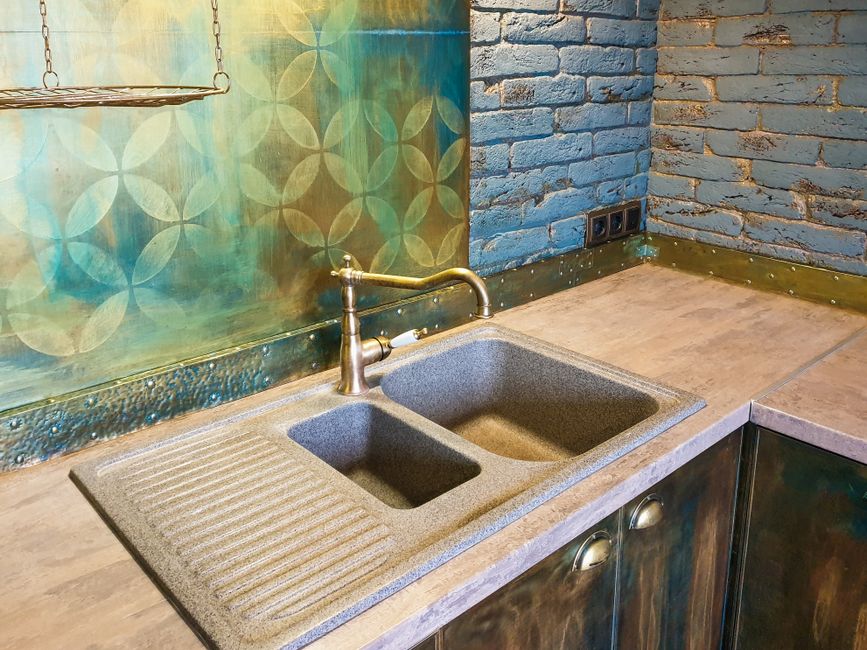
I spend a lot of time in showrooms watching homeowners run their fingers over glossy, dark granite composite sinks. They look sleek. They look like the cover of a magazine. But after 12 years of interviewing installers and hearing the "Year 3 vs. Year 13" stories, I have to ask you the one question nobody else in the showroom will: Will you still like cleaning this in February?
When you’re staring at a beautiful, matte-black or earthy-grey sink, it’s easy to get lost in the aesthetics. But a sink is a workhorse, not a museum piece. Let’s look at the reality of modern kitchen sink colors and whether those gorgeous composite shades are a forever-home choice or a future headache.
The Reality of Granite Composite: Beyond the Showroom Gloss
Granite composite sinks—often utilizing blends of quartz and acrylic resin—have exploded in popularity because they don't sound like a hollow drum when you drop a pot. Brands like Elkay offer incredible color depth that stainless steel simply cannot replicate. You can find everything from deep, moody charcoals to soft, biscuit-toned whites that seem to glow.
However, "low maintenance" is a farmhousekitchenandbath.com marketing myth. If you live in an area with hard water, that dark charcoal sink is going to show every single calcium deposit by Tuesday afternoon. If you choose a lighter composite, coffee stains and turmeric are your new best friends.
My running list of common sink regrets:
- "I bought black, but the mineral buildup makes it look dusty 24/7." "I thought the white composite would stay white; it looks dingy after five years of red sauce." "I didn't realize how much the abrasive scrub pads would dull the finish over time."
The Apron-Front Appeal: Is It Still Modern?
The farmhouse sink (or apron-front) has transcended the "trend" label, but pairing it with colored composite is a bold move. A black apron-front sink provides a striking contrast against white cabinetry, serving as a focal point. But here is where I get pedantic: Always check your cabinet size before ordering.
I’ve seen too many homeowners fall in love with a 33-inch apron-front composite sink only to realize their existing base cabinet is a standard 30-inch opening, or worse, the apron doesn't align with the cabinet stiles. When you order through platforms like Shopify-supported retailers, pay attention to the tech specs. If you don't have the cabinetry to support the structural weight of a granite composite sink, you aren't just buying a sink; you’re buying a massive renovation to your sub-structure.
Installed Cost Ranges: The "Real" Price Tag
When you see a price on a website, ignore it. That is the cost of the unit sitting in a warehouse. You need to budget for the installer, the custom countertop cutting (granite composite often requires specific radius cuts), and the potential for a plumber to reconfigure your drainage because the basin is deeper than your previous stainless steel model.
Sink Material Material Cost Range Estimated Installed Cost (Labor + Sink) Standard Stainless Steel $200 – $600 $600 – $1,200 Composite (Mid-Range) $400 – $900 $900 – $1,800 High-End Composite (Apron) $800 – $1,500 $1,500 – $2,500+Year 3 vs. Year 13: What Fails?
I spoke to an installer last week who has been doing this for two decades. His take on composite? "Year 3 is the honeymoon. Year 13 is the reality check."
The Chipping Factor
Unlike stainless steel, which dents, composite sinks can chip if you drop a heavy cast-iron skillet at the perfect angle. Once the protective resin layer is compromised, the core becomes porous. In year 13, you might see small, spider-web fractures near the drain flange. It isn't always a catastrophic failure, but it is a "living with it" situation.
The Fading Reality
Granite composite sink color options look vibrant on day one. But UV light—even indirect sunlight through a kitchen window—can cause slight fading over a decade. Furthermore, if you use harsh chemicals to fight that hard water I mentioned earlier, you are slowly etching the surface. Once you etch a composite sink, it grabs onto stains faster, creating a cycle of aggressive cleaning that makes the problem worse.
Choosing the Right Color for Your Lifestyle
If you are hell-bent on a colored composite sink, here is how to navigate the aesthetic versus the functional:
The "Hard Water" Test: If you live in an area where your kettle builds up scale, avoid deep blacks and dark espresso. Go for mid-tones like slate or metallic-infused greys. They hide mineral spots far better than a flat, matte black. The "Red Sauce" Test: If you cook heavily, stay away from the "Alabaster" or "Bright White" composites. These are highly porous and will require daily bleaching. Choose a medium-to-dark grey or a soft tan/sand color that masks the occasional splatter. The Modern Aesthetic: You don't have to match your sink to your cabinets. In fact, a "monochromatic" look with a white sink and white cabinets often creates a "clinical" vibe that dates quickly. Use your sink as an accent piece—a metallic grey or dark slate composite works beautifully against wood tones or modern matte-colored slab doors.Final Thoughts: Don't Get Sold on "Low Maintenance"
I am tired of hearing sales reps tell you that a granite composite sink is "maintenance-free." Nothing in a kitchen is maintenance-free. If you want a sink that looks brand new in 15 years, you have to be willing to wipe it dry after every use to prevent water spots, and you have to be careful with heavy pots.
If the look of a colored composite sink makes your kitchen feel like home, buy it. It adds a warmth and texture that stainless steel just can't touch. But before you hit 'buy' on that Shopify checkout page, ask yourself: Will I still be happy wiping this down every single night when I’m tired in the middle of February? If the answer is yes, then you’ve found your sink.

And for heaven's sake, measure your cabinet opening twice. Your installer will thank you, and your budget will stay intact.