Look, I’ve been standing behind this counter for 12 years. I’ve seen it all. I’ve watched guys try to dig a trench with a spade because they didn't want to hire a mini-digger, and I’ve watched them spend three days doing what a machine could have done in three hours. Before we get into the gear, though, I have to ask: What are you driving? What can your bakkie actually tow? Because if your towing capacity is shot, that heavy-duty compactor isn't getting to your site safely, and that’s where the "cutting corners" mentality starts.
People often think that not owning the equipment means they https://www.home-dzine.co.za/home-Improvement/why-construction-equipment-hire-is-the-smarter-choice-for-your-next-project.html have to compromise on the quality of their work. They skip the professional-grade gear because it’s expensive to buy, so they use whatever is gathering dust in the garage. That isn't realistic planning—it’s just a recipe for a project that looks like a DIY disaster. Let’s talk about how to get professional results without buying a warehouse full of tools.
The True Cost of Ownership: Why Your Garage is a Graveyard
Most weekend warriors look at the price tag of a tool and think, "I’ll buy it, use it once, and then it’s mine forever." That is the biggest lie in the building game. When you buy a heavy-duty breaker, you aren’t just paying for the tool. You are paying for:
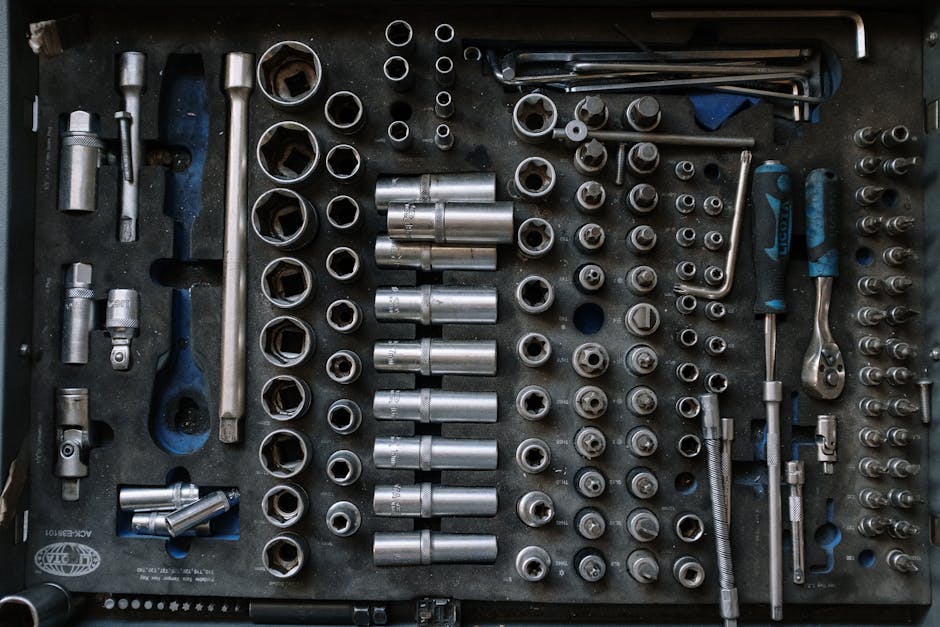
- Maintenance: Who is servicing the motor? Who is sharpening the chisels? Storage: That tool is taking up space that could be used for, well, anything else. Depreciation: The minute you pull it out of the box, it’s worth 30% less. Obsolescence: Technology moves fast. Your five-year-old machine won't have the vibration dampening or safety features of a modern hire unit.
When you hire from a place like Wenbro Hire, you aren't paying for the asset; you are paying for the utility. You’re renting the performance for the exact number of hours you need it. By shifting your mindset from "owning" to "utilizing," you free up your budget to spend on better materials, which is where the real value is.
The Project Stage Framework: Matching the Machine to the Work
I always tell my customers: building isn't one big task; it’s a series of distinct stages. If you try to use one "do-it-all" tool, you’ll fail every time. You need to identify the stage and pick the machine designed for that specific resistance.
Phase 1: Site Prep and Demolition
This is where I see the most corner-cutting. Please, for the love of everything, stop calling every single breaker a "jackhammer." A light-duty electric breaker is for chipping tiles. A heavy-duty, pneumatically assisted breaker is for busting through that concrete driveway. If you try to bust a slab with an underpowered tool, you aren't just wasting time—you're causing physical strain that will have you reaching for the painkillers by lunch. Using the correct weight and impact force allows the machine to do the work. If you find yourself pushing down with all your weight, you’re using the wrong tool.
Phase 2: Groundwork and Compaction
You’ve done the digging; now you need to pack it down. I’ve seen guys try to jump on a patch of sand to "compact" it. That’s not engineering, that’s a joke. A proper plate compactor is essential for structural integrity. Without it, your paving will sink in three months, and your concrete slab will crack. Hiring a plate compactor ensures your foundation meets the standard—and speaking of standards, if you're working on a site that requires inspection, always ensure your rental gear is compliant with SABS guidelines. It keeps the project legal and safe.
Comparison: Hiring vs. Buying for Small Crews
Let's look at the numbers. This table assumes a typical suburban renovation project over a two-week period.
Criteria Buying Low-Grade Tools Hiring Pro-Grade Tools Initial Layout High (Capital Expenditure) Low (Operational Expense) Performance Slow, leads to fatigue Fast, efficient, ergonomic Maintenance Your responsibility Included in hire rate Storage/Clutter Permanent Temporary Outcome Often "Good Enough" Professional FinishWhy the "Walkthrough" Matters
I get really annoyed when I explain how a compactor works and the customer just nods, stares at their phone, and says, "Yeah, yeah, I’ve used one before." No, you haven't used this one. Every machine has its quirks—safety kill switches, vibration levels, and specific fuel mixtures. Skipping the walkthrough is the fastest way to break a machine and end up in my office complaining about a deposit deduction.
When you hire, treat the instruction session like a masterclass. Ask questions. "How do I handle the vibration? What do I do if the engine floods?" The time you spend listening is time you won't spend troubleshooting on a Saturday afternoon when the office is closed.
Realistic Planning for Better Outcomes
If you want better outcomes, you have to be honest about your own limitations. Hiring the right tool isn't admitting defeat; it’s choosing efficiency. When you have the right machine, you reduce physical strain significantly. Your back, your knees, and your hands will thank you. More importantly, your project will be finished on time.
If you find yourself cutting corners, ask yourself: Is it because you don't have the tool, or because you haven't planned for the hire? If you’ve got a bakkie that can handle the load, head over to a reputable hire center, grab the machine built for the job, and get it done right the first time. Your garage will stay clear, your project will look professional, and you won't be back here in two weeks asking me why your home-bought machine died halfway through the job.

Image Credits: Visual aids for heavy machinery and site organization sourced from Freepik.