I’ve spent the last 12 years on the tools—hauling gear, setting up distribution boards, and troubleshooting stubborn engines on every kind of site you can imagine. From backyard renos to high-end festival setups, I’ve seen it all. The one thing that keeps me up at night isn’t the budget or the logistics; it’s the generator. If you don't treat these machines with respect, they can turn a fun event into a nightmare faster than you can say "blackout."
Whether you're powering a food truck or lighting up a remote wedding, safety isn't just a suggestion; it’s the foundation. Let’s break down how to keep your generator setup solid, safe, and compliant.
1. Power Sizing: Starting Watts vs. Running Watts
The most common mistake I see on-site is underestimating the load. People look at the "rated" output on the side of the genny and think they’re golden. But here’s the reality: appliances that have motors or compressors—like coffee machines, fridges, or air conditioners—have "starting watts."
Starting Watts (Surge Watts) are the extra burst of power required to get a motor spinning. If your genny can’t handle that surge, it’ll trip, or worse, burn out the sensitive electronics you’ve plugged into it.
Power Requirements Cheat Sheet
Appliance Running Watts Starting (Surge) Watts LED Lighting 50-100W Negligible Coffee Machine 1500W 3000W+ Portable Fridge 150W 500W Electric Tool (Angle Grinder) 1000W 2000WAlways calculate your total load by adding up the starting watts of your highest-draw appliance plus the running watts of everything else combined. If you're stuck, companies like Wenbro Hire usually provide specs that help you match the right unit to your gear. Never push a generator to 100% capacity; keep it at about 75-80% to ensure a long, stable life.
2. Stable Placement and Ventilation: The "Big Two"
Safety starts with where you put the beast. I’ve seen generators parked on slopes, in damp grass, and—the worst—tucked into a corner against a building. Don’t do it.
Stable Placement
Generators vibrate. It’s their nature. If you place a generator on uneven ground, it can "walk" its way off a platform or tip over, spilling fuel. Always use a level, non-combustible surface. If the ground is soft, put down a solid rubber mat or a plywood board. It keeps the intake clear of dust and prevents the unit from sinking into the mud.
The Danger of Ventilation
I cannot stress this enough: Carbon Monoxide (CO) is the silent killer. It is odorless, colorless, and deadly. Never run a generator inside a marquee, shed, or garage. Even if it’s "just for a minute," that minute can be your last. Always keep your generator in an open, well-ventilated area at least 6 meters away from doors, windows, and air vents.
3. Safe Fuel Handling
Fuel is volatile, and hot exhaust pipes are an ignition source. Managing fuel is a high-risk activity during any event.
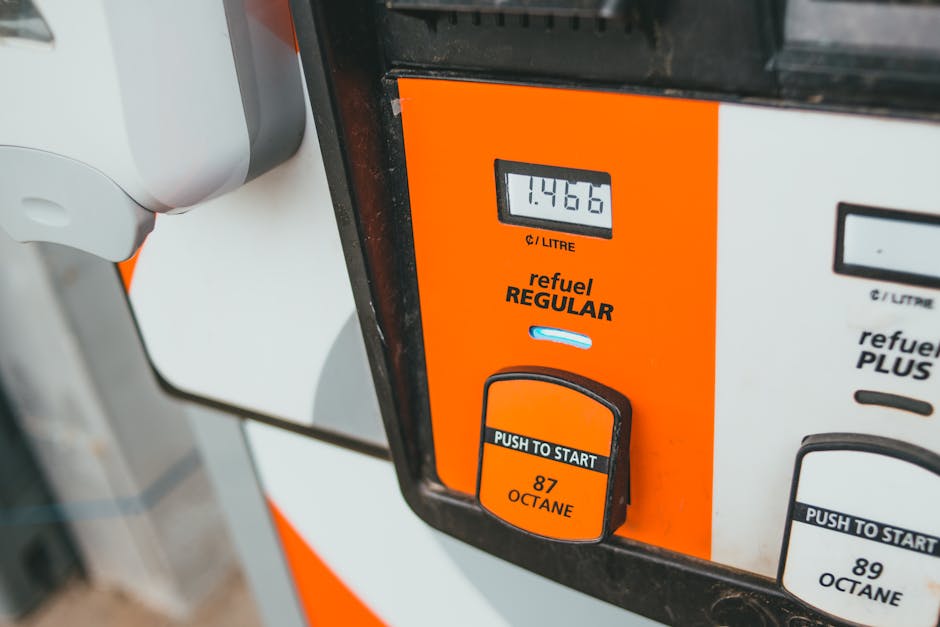
- Cool Down First: Never, and I mean *never*, refuel a hot generator. Let it sit for at least 10–15 minutes before topping it up. Use Approved Containers: Only use certified petrol/diesel cans with functioning seals. Don’t use random plastic jugs. Spill Kits: Always keep a small spill kit (absorbent pads and sand) nearby. A fuel spill on grass can ignite easily or cause an environmental issue. Don't Overfill: Fuel expands when it gets hot. Leave some room in the tank to prevent overflows and potential fire hazards.
4. Matching the Generator to the Job
Are you running sensitive audio-visual gear or just basic halogen site Discover more lights? The type of generator matters.
- Inverter Generators: These are the gold standard for electronics (laptops, DJ gear, sound systems) because they provide "clean" power with low harmonic distortion. Open Frame/Construction Generators: These are louder and provide "dirtier" power, but they are robust and great for heavy-duty tools or simple heating/cooling equipment.
If you aren't sure, reach out to the pros. Sometimes using a Chatlio style support widget on a rental site is the fastest way to get a quick expert opinion on which unit suits your specific event load.
5. Noise and Local Considerations
An event generator that sounds like a jet engine will ruin the vibe immediately. Check your local council regulations—especially for residential areas. The Australian Government Department of Climate Change, Energy, the Environment and Water provides excellent resources regarding noise pollution and environmental standards for small engines. If you are petrol generator hire in a quiet neighbourhood, look into sound-dampened inverter units or acoustic enclosures.
Final Checklist for Your Event
Inspect the leads: Check all extension cords for cuts or frayed insulation. Check the Oil: Just like a car, a generator needs a health check before it starts. Test the RCDs: Ensure your distribution boards have working Residual Current Devices to prevent electric shocks. Fire Extinguisher: Keep an ABE-rated fire extinguisher within reach at all times.Got a question about a specific setup or need advice on a generator you’re hiring? Share your thoughts below!
Want to leave a comment? Please log in to your account to join the discussion.
Share this guide with your crew!
Facebook | Twitter | LinkedIn | Pinterest | Tumblr | Buffer