When it comes to bathroom design, the vanity lighting is as crucial as the vanity itself. Traditional setups often rely on one large mirror stretching across the length of the vanity, paired with light bars or sconces above or beside the mirror. However, modern trends and lighting technologies invite fresh options that not only illuminate better but also enrich the bathroom’s ambiance and style.
In this article, we’ll explore long vanity lighting ideas that avoid the all-encompassing oversized mirror trope. Instead, we’ll dive into innovative configurations that use multiple mirrors and advanced LED lighting techniques—like backlit, edge-lit, and in-glass light lines—to help you master a sleek, functional, and visually captivating vanity zone.
Why Skip the Single Huge Mirror?
One large single mirror might seem like the easiest or most classic choice for a long vanity, but it comes with some shortcomings:
- Visual heaviness: Massive mirrors can dominate a wall, making the space feel cold or sterile rather than inviting. Reflection overload: A big, uninterrupted reflective surface can amplify clutter or subtle imperfections. Lighting challenges: Relying only on overhead or side-mounted vanity bars sometimes causes uneven lighting, shadows, or harsh glares.
By contrast, multiple mirrors, thoughtfully paired with LED lighting, foster a more dynamic, textured look and often provide superior illumination.
LED Mirrors Replacing Vanity Light Bars and Sconces
The lighting market has advanced considerably, with companies like LED Mirror World pioneering LED mirrors that incorporate lighting directly into the mirror surface. These LED mirrors https://cleaningservicesgrandrapidsmi.com/can-a-lighted-mirror-go-wider-across-the-vanity-if-there-is-no-fixture-above/ effectively eliminate the need for separate vanity light bars or sconces.
What’s the benefit? Integrated LED mirrors offer:
- Even, shadow-free illumination you can position precisely where you need it. A minimalistic, decluttered wall surface because separate fixtures aren’t necessary. The ability to tailor light temperature and brightness, which is essential for bathroom tasks requiring accurate skin tone rendering.
For a long vanity, multiple LED mirrors can be installed side-by-side, creating tailored lighting “zones” for each user or makeup station. This approach also respects the unique rhythm of the wall’s material, whether it’s painted drywall, tile, wood paneling, or natural stone.
Backlighting vs Edge Lighting vs In-Glass Light Lines
When selecting an LED mirror style for your vanity, understanding the different lighting techniques is crucial. The way the light interacts with the wall surface dramatically affects the mood and functionality of the bathroom.
Lighting Type How it Works Wall Impact Best For Backlighting LEDs positioned behind the mirror emit a soft halo glow onto the wall. Creates gentle light washing, subtly highlighting the paint or stone texture, and softens edges. Bathrooms with textured, warmer materials like wood or natural stone where ambient softness is desired. Edge Lighting LEDs integrated around the mirror’s perimeter, illuminating from the edges inward. Produces sharper lines and stronger reflections, which can sometimes feel more clinical if overdone. Minimalist, sleek contemporary bathrooms that rely on clarity and precision. In-Glass Light Lines Light-emitting patterns embedded inside the glass, such as strips or decorative shapes. Creates interesting visual layered effects on the wall, turning the mirror into a sculptural element. Bathrooms that want a designer’s touch, blending lighting with art.Editor’s note: While in photos edge-lit or in-glass patterns appear stunning, in real life too much harsh, direct LED light might feel glaring or unforgiving—particularly on paler wall colors. Backlit options generally produce the most soothing light washing onto the wall surface, allowing the materials to shine without crowding the eyes.
Wall Material and Color Changes Texture and Light Interaction
The same LED mirror can look completely different depending on your wall materials. Here is how each common surface interacts with a backlit or edge-lit mirror:
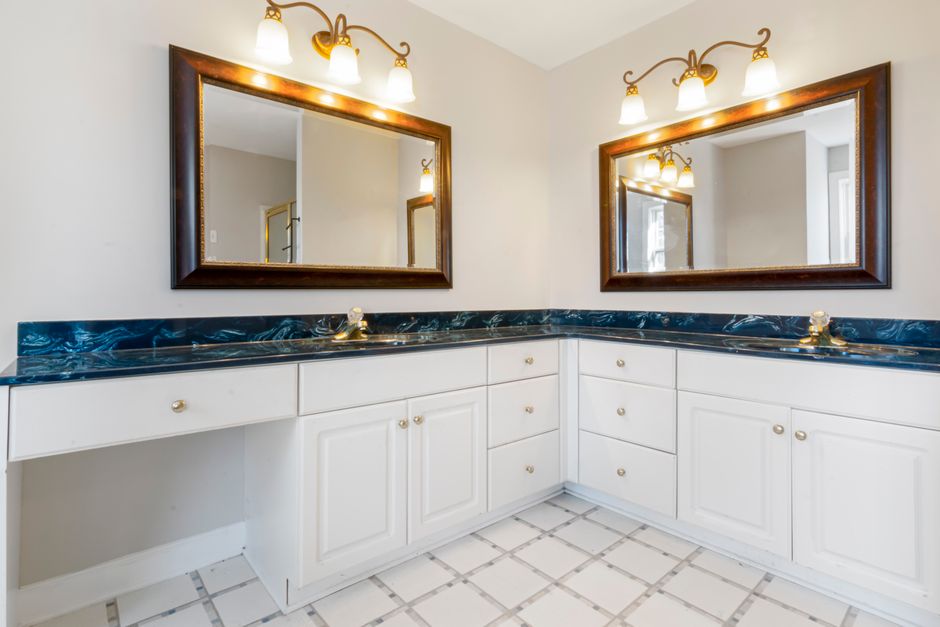
- Painted walls: Matte or eggshell paints diffuse light softly, allowing backlighting to create a delicate halo effect. Glossy or satin paints reflect more sharply, which can amplify the glare from edge-lit mirrors. Tile: Ceramic or porcelain tiles with slight texture help scatter light subtly, which is charming with a combination of backlit and in-glass lighting lines. Highly glossy tiles risk doubling reflections, which can be distracting. Wood: Grainy or matte-finished wooden walls lend warmth and depth when illuminated by backlighting. This combo is ideal for spa-like or rustic bathrooms. Stone: Natural stone, especially marbles or slates, benefits enormously from backlit mirrors that wash beautiful veining patterns on the surface. Dark stone walls can create dramatic contrast with edge-lit mirrors but may appear harsh if the color temperature is too cool.
Long Vanity Layouts Using Multiple Mirrors
One of the most compelling trends spotted on resources like Homedit and curated content from Google Preferred Sources is deploying multiple smaller LED mirrors across a long vanity instead of a single, continuous mirror.
This approach provides various advantages:
Individualized lighting zones: Perfect for multi-user spaces where each person’s grooming needs differ. Architectural rhythm: Mirrored panels can be interrupted by wall niches, towel hooks, or planter shelves for an appealingly broken-up wall. Ease of customization: Swap out or upgrade mirrors over time without stripping the entire wall installation.On social platforms like Twitter and Facebook, some DIY enthusiasts and designers share their multiple mirror setups with integrated LED lighting—often noting better light control and happier photo results for makeup applications and videoconferencing.
Tips For Designing Long Vanity Lighting Without a Huge Mirror
- Measure precisely: Careful spacing prevents the vanity from feeling chopped or disjointed. Keep mirror styles consistent: Matching LED temperatures and frame finishes provides cohesive finishes. Layer the light: Consider ambient ceiling downlights, task mirror LEDs, and optionally dimmable wall sconces in-between to soften transitions. Contrasting wall finishes: If your vanity wall has differing materials (e.g., tile plus wood panels), place backlit mirrors against darker elements and edge-lit mirrors near lighter surfaces for balanced wall washing. Think about glare: Avoid strong direct LED facing sitting eye-level to reduce harshness. Soft, diffused backlighting is easier on the eyes long term.
Resources and Where to Find These Products
If you’re shopping for backlit bathroom mirrors or exploring multiple mirror ideas for your long vanity, companies like LED Mirror World provide an excellent selection of luxury LED mirrors with customizable sizes and lighting options.
For design inspiration, don’t miss regular posts on Homedit, which curates real bathroom projects showcasing how varied mirror configurations best led mirror brands 2024 and LED light types play with different wall materials and surfaces.
Lastly, Google Preferred Sources listings and Pinterest boards can help you collect “before and after” shots and expert reviews to compare long vanity lighting solutions in real-world environments before committing to a setup.
Conclusion
Long vanity mirror ideas don’t have to lean on one huge mirror with clunky light bars or sconces. By embracing multiple mirrors equipped with integrated LED lighting—whether backlit, edge-lit, or enhanced with in-glass light lines—you can elevate the bathroom’s atmosphere and functionality without overwhelming the wall.
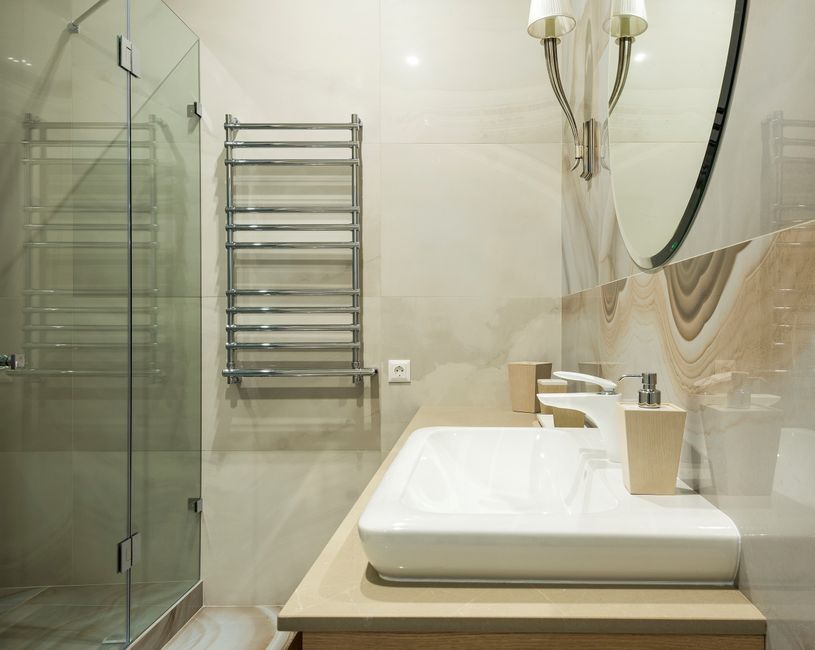
Pay special attention to how the chosen lighting interacts with your wall paint, tile, wood, or stone surfaces, and keep the arrangement balanced and tailored to your vanity usage. You’ll find that a thoughtfully lit collection of LED mirrors not only beautifies but also makes daily bathroom routines more precise and pleasant.
For ongoing inspiration, check out LED Mirror World, read features on Homedit, and keep an eye on conversations via Twitter and Facebook where designers and homeowners share their lighting breakthroughs daily.