When shopping for a mini split system, one of the top concerns for homeowners is noise. If you’ve come across a “30 dB mini split” touted for its quiet operation, you might be wondering what that really means in everyday use. Is 30 decibels truly whisper-quiet, or is it just marketing hype? In this detailed post, we’ll unpack the realities behind mini split noise levels, the impact of indoor fan speed, and how brands like Zone Air, MrCool, and Senville approach noise and DIY installation.

Understanding Noise Levels: What Does 30 dB Really Mean?
Decibels (dB) measure sound intensity on a logarithmic scale. To put 30 dB into context:
- 30 dB is roughly the sound level of a quiet library or a soft whisper. Typical conversation levels sit around 60 dB. A quieter mini split indoor unit running on low fan speed can hover around 30 to 35 dB.
But noise perception depends on more than just the decibel level. The frequency, pitch, and consistency of the sound all affect how “quiet” the unit feels. A humming noise can be less intrusive than a choppy or rattling sound even at similar decibel levels.
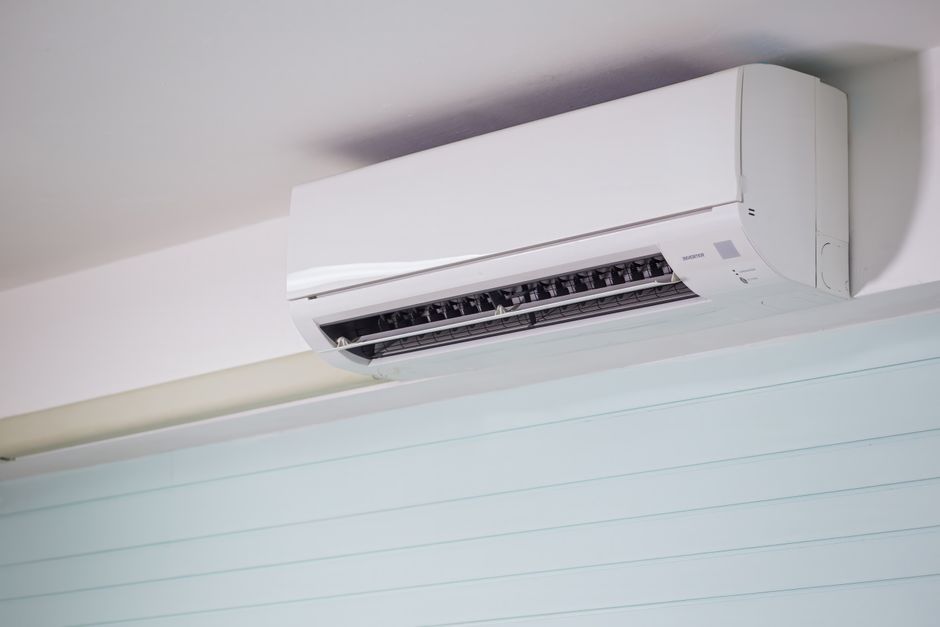
The Indoor Fan Speed Connection
One key variable in mini split noise levels is the indoor fan speed. Most mini splits offer multiple fan speeds, affecting noise output:
Fan Speed Approximate Noise Level (dB) Usability Note Low 25-35 dB Very quiet, often used during sleeping hours Medium 35-45 dB Balance of airflow and quiet operation High 45-55 dB More airflow, louder but better circulationSo when a manufacturer advertises a 30 dB mini split, they’re usually referring to the indoor unit running at its lowest fan speed—perfect for quiet nights but less so when maximum heating or cooling power is required.
True DIY vs. Traditional Installation
Mini splits used to be the domain of professionals due to the complexity of refrigerant handling. However, newer models from brands like MrCool, Senville, and Zone Air have embraced true DIY features that simplify installation without sacrificing efficiency.
What Is True DIY for Mini Splits?
- Pre-Charged Quick Connect Line Sets: Unlike traditional flare fittings that require vacuum pumps and refrigerant gauges, these systems come with pre-charged lines and require no handling of refrigerant during installation. Tool Requirements: No vacuum pumps or charge gauges needed, making the process accessible to homeowners with basic mechanical skills. Reduced Risk: Less chance of leaks or improper charge, which can impact system noise and efficiency negatively.
Without these true DIY features, a standard mini split installation involves specialized tools like:
- Vacuum pump to evacuate air and moisture from the refrigerant lines Refrigerant gauges to monitor pressure and ensure proper refrigerant charge
For the typical homeowner wanting a hassle-free, quiet mini split, opting for a system diy mini split warranty with quick connect pre-charged line sets from MrCool or Senville is often the best choice.
Noise Quality and System Efficiency
Noise levels and energy efficiency are closely connected. Mini splits need to balance sound performance without compromising capacity or utility costs.
Efficiency Metrics: SEER2 and HSPF2
The HVAC industry recently rolled out updated efficiency standards that provide more realistic measurements:
- SEER2 (Seasonal Energy Efficiency Ratio 2): Measures cooling efficiency updated with new testing procedures for refrigerant charge and airflow. HSPF2 (Heating Seasonal Performance Factor 2): Measures heating efficiency under similarly updated conditions.
When choosing between mini split models, look for the latest SEER2 and HSPF2 ratings instead of older figures. Higher ratings mean the system can run quieter (especially during low fan speeds) while using less energy.
Cold Weather Heating – Quiet but Efficient?
Mini splits have gotten better at heating in colder climates, but there are realities to consider:
- Compressor Noise: During defrost cycles, the outdoor compressor may get louder briefly as the unit removes frost buildup, which is normal. Fan Speed and Noise: At low indoor fan speeds, mini splits can maintain quiet operation but may struggle to deliver peak heating when outdoor temperatures drop significantly. Cold Weather Kits: Some brands like Zone Air offer enhanced cold-weather kits designed for quieter, more efficient operation below freezing temperatures.
In general, a “30 dB mini split” indoors will still sound quiet in winter, but be prepared for occasional outdoor unit noise spikes during cold-weather operation.
Brand Highlights
MrCool
MrCool pioneered pre-charged quick connect line sets, making it one of the most accessible true DIY mini splits. Their indoor units can operate around 30 dB on the low fan setting, and their systems boast competitive SEER2/HSPF2 ratings for budget-conscious homeowners.
Senville
Senville blends quiet operation with solid performance. Their units are known for whisper-quiet indoor fans and availability of both traditional and true DIY models, catering to DIY enthusiasts and professional installers alike.
Zone Air
Zone Air combines robust cold-weather performance with relatively quiet operation. Their offerings emphasize dependable heating in colder climates, and they often come with upgrade options to reduce defrost cycle noise.
Summary: Is 30 dB Mini Split Quiet Enough?
Here’s a quick rundown of what you need to keep in mind:
A 30 dB noise rating usually refers to indoor fan speed on low—quiet but not necessarily sufficient for peak heating or cooling demand. Quiet operation depends on fan speed, quality of fan motor, and sound-dampening design. True DIY models with pre-charged quick connect line sets from MrCool or Senville make installing a quiet mini split easier without needing vacuum pumps or refrigerant gauges. New efficiency standards (SEER2 and HSPF2) help ensure quieter and more efficient performance. Cold-weather noise spikes are normal, but brands like Zone Air work to minimize disruptions.In most residential applications, a well-installed mini split running around 30 dB indoors is pleasantly quiet and won’t disturb daily life or sleep. Just remember to check fan speeds, efficiency ratings, and installation type to match your noise and comfort expectations.
DIY Installation Tools – What You Actually Need
If you’re considering installing a mini split yourself, here’s a quick tool guide:
Tool Required for Traditional Install? Required for True DIY Quick Connect? Vacuum Pump Yes No Refrigerant Gauges Yes No Pipe Cutter / Flaring Tools Yes No (pre-assembled line sets) Drill, Mounting Hardware Yes Yes Torque Wrench Recommended Not neededChoosing true DIY mini splits from trusted brands means you avoid refrigerant handling complexities, which can impact noise if lines are improperly charged or leaks occur.
Final Thoughts
While 30 dB is often presented as an industry benchmark for quiet mini splits, understanding the nuances of fan speed, installation type, and climate effects matters. For true quiet comfort, pair a quality mini split with proper installation, ideally leveraging true DIY pre-charged line sets from brands like MrCool or Senville. And if cold weather heating is critical in your area, check options from Zone Air to minimize noise disturbances without sacrificing warmth.
With the right expectations and equipment, a 30 dB mini split can https://discountcleaners.net/is-a-multi-zone-mini-split-really-diy-or-do-i-need-an-hvac-tech/ absolutely deliver the quiet, efficient climate control you desire.