Let’s set the scene: It’s 7:00 am on a Tuesday. The house is quiet, you’re slightly caffeinated, and you’ve just stepped out of a hot shower, expecting to catch a glimpse of yourself in your high-end, "anti-fog" LED mirror—the one you spent a small fortune on to recreate that five-star hotel feeling. Instead, you are met with a wall of opaque, stubborn condensation. You wipe it with a towel, leaving streaky, water-logged lines that make you look like a blurred watercolor painting.
I’ve spent 11 years in the lighting showroom trade. I’ve seen the evolution of the bathroom from a purely functional "wet room" to the new frontier of the smart home. I have spent thousands of hours pouring over spec sheets, arguing with manufacturers about Kelvin ratings, and listening to clients complain about everything from messy external transformers to mirrors that simply refuse to stay clear.
If your demister pad isn't working, it’s rarely because the product is "broken." It’s usually a breakdown in the relationship between your bathroom's ventilation, the mirror's heat-up time, and, quite frankly, a misunderstanding of what these fixtures are actually designed to do.
The Anatomy of a Demister Pad: It’s Not Magic
Before we go hunting for a hardware fault, let’s demystify the tech. An "anti-fog" mirror is essentially a mirror with a thin, adhesive heating mat stuck to the back. It’s a resistor. When you flip the switch, it generates low-level heat to warm the glass just enough to prevent water vapor from settling on the surface.
Here is where most people go wrong: they treat it like a light switch. If you switch the mirror on the second you step out of the shower, the physics are already against you. The room is saturated with steam, and the glass is cold. It can take three to five minutes for that mat to reach the required temperature. If you’re a 7:00 am speed-shaving type, you’re essentially fighting a losing battle against humidity.
Mirror Fog Fixes: The Checklist
The Pre-heat Rule: Treat your demister like a car defroster in winter. Turn it on *before* you turn the shower tap. If your mirror is wired into the main lighting circuit, you are already doing it wrong. A separate isolator switch is the only way to effectively manage the demister independently of the lighting. Check Your Bathroom Ventilation: This is the most common culprit. I cannot stress this enough: your mirror is a passive element; your extractor fan is the active defense. If your bathroom ventilation is weak, dusty, or poorly positioned, the steam will condense faster than the heating pad can clear it. If your mirror is still foggy, look up. Is your fan doing its job, or is it just making noise? The "Size Matters" Problem: Many budget-friendly LED mirrors come with demister pads that are suspiciously small. If the pad is only 200mm x 200mm in the dead center of a massive 800mm mirror, you will have a clear patch in the middle and a fogged-up frame. Check your product specs. If the coverage is insufficient, no amount of troubleshooting will fix it.The Smart Bathroom Wave: Features vs. Real Benefits
We are currently seeing a surge in "smart" bathroom tech. Manufacturers are cramming everything into these fixtures: Bluetooth speakers, digital clocks, weather readouts, and even built-in anti-fog sensors.
Look, I love innovation as much as the next guy, but let’s have a hard talk about that "Bluetooth connected" feature. If you have to download an app just to adjust the warmth of your mirror’s light or to sync your music, I guarantee you: that is just another app you will forget exists by next month. When I consult on renovation projects, I always steer clients away from gimmicks that require an interface. Your bathroom is a sanctuary, not a server room. If you need an app to brush your teeth, the smart-home wave has gone too far.
However, when we talk about LED mirrors as multi-function fixtures, there is value in the right specs. Proper Colour Rendering Index (CRI) and adjustable Kelvin temperatures (3000K warm white to 4000K daylight) are where the real wellness benefits lie. Avoid that harsh, overly blue 6500K lighting at all costs. Nothing ruins a morning ritual faster than looking like a pale ghost under ibtimes.co.uk hospital-grade clinical lighting. That blue light triggers cortisol—you want a soft, ambient glow to ease you into your day.
Hotel-Inspired Expectations: Achieving the Aesthetic
The "hotel-inspired" residential trend is about more than just a clear mirror; it’s about the integration of form and function. In a commercial hotel project, the demister is wired to the room’s occupancy sensor or the light switch, and the ventilation is spec’d to be aggressive. You can replicate this, but you need to be meticulous with the details.
One thing that absolutely grinds my gears? Messy cables and visible add-on gadgets. If you’ve spent thousands on tiling and high-end brassware, why would you let a dangling transformer or a messy cable ruin the look?
Troubleshooting Your Demister Issues Symptom Likely Cause The Fix Mirror fogs at the edges Pad is undersized Use a high-quality glass sealant (temporary) or replace with a full-surface pad. Mirror fogs instantly Ventilation failure Clean your extractor fan filter or upgrade your fan’s extraction rate (CFM). No heat at all Wiring or Fuse issue Check the connection at the terminal block; ensure it’s not on a switched socket. Only clears after 15 mins User timing Adopt a pre-shower routine; switch it on before you undress.Wellness Design: Designing for the Morning Ritual
We need to stop viewing the bathroom as a place where we "get ready" and start seeing it as the place where we "get centered." Your daily rituals are dictated by your environment. If you are standing in a steam-filled, poorly lit, cluttered space, you are starting your day in a state of mild agitation.
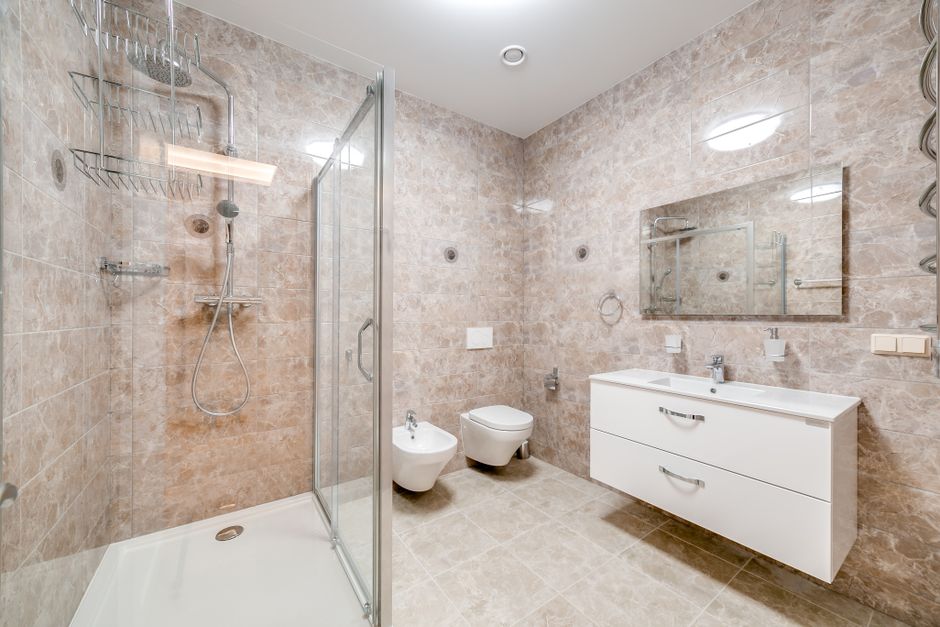
A properly working demister is a small comfort, but it’s a vital one. It represents order. It represents that transition from the chaotic, humid environment of a hot shower to the clear, focused world of your reflection. Wellness design in the home is about removing these tiny frictions. When the mirror works, you don’t think about it. When it doesn't, it’s the only thing you think about.

Final Thoughts on Your Bathroom Upgrade
If you are frustrated with your current setup, start by auditing your ventilation. If your mirror is "smart," try to integrate it into your home’s existing automation (if you absolutely must have the Bluetooth connectivity) rather than relying on a proprietary app.
Finally, stop over-specifying for the sake of the "feature list." I’ve read thousands of these product sheets—they are full of marketing fluff designed to make you feel like you *need* a built-in weather station. You don't. You need a bright, high-CRI light that mimics natural morning sun, a demister that spans the entire glass, and a clean, hidden installation that doesn't scream "DIY disaster."
Fix the airflow, move your demister switch to an independent circuit, and stop worrying about the latest app update. Your morning routine is a ritual, not a gadget test. Keep it simple, keep it functional, and keep the glass clear. Your future self, standing there at 7:00 am with a toothbrush in hand, will thank you.
Quick Summary Checklist for Homeowners
- Ventilation First: Check if your fan is actually extracting air before blaming the mirror. Wiring Logic: Is your demister on a separate circuit? If not, it will never be warm enough when you need it. Avoid the "Blue" Trap: Ensure your LED mirror is between 3000K and 4000K. Anything higher is just harsh. Declutter: If you have visible cables, speak to your electrician about recessed junction boxes. The hotel look requires clean lines. Quality over Apps: Spend the budget on glass quality and heating element size rather than Bluetooth speakers and useless software.