In the evolving landscape of bathroom design, the round lighted mirror with a broken halo has become a captivating trend that expertly balances function and form. These mirrors, increasingly popular on sites like Homedit, Google Preferred Sources, and LED Mirror World (ledmirrorworld.co.uk), offer a fresh take on vanity lighting that goes beyond traditional bars and sconces.
If you’ve wondered how this broken halo effect works, how LED mirrors compete with and sometimes replace conventional vanity lighting, and the impact these mirrors have on your bathroom walls, this post unpacks everything you need to know.
From Vanity Light Bars to LED Mirrors: The Shift in Bathroom Lighting
Traditional bathroom lighting typically involves vanity light bars or sconces flanking the mirror. While effective, these fixtures can dominate the space visually and sometimes cast unbalanced shadows, especially when placed too high or too low.
The rise of LED mirrors has significantly disrupted this paradigm. By integrating light sources directly into the mirror, designers create a seamless glow that softly homedit.com illuminates the face without harsh shadows. This evolution not only saves space but also allows cleaner, more minimal bathroom arrangements where the mirror becomes the focal point rather than an appliance with visible bulbs or shades.
- LED mirrors replacing vanity light bars: They provide more uniform light, fewer shadows, and a sleek aesthetic. Wall impact: When placed correctly, light from these mirrors washes beautifully onto surrounding surfaces, enhancing paint tones, tile textures, and wood grains. Enhanced bathroom layouts: In long vanity configurations, multiple LED mirrors can be aligned to add rhythm and balance, replacing clusters of sconces or bars that often look cluttered.
Understanding Mirror Halo Lighting: Backlighting vs Edge Lighting vs In-Glass Light Lines
One of the design signatures of a round lighted mirror is its illuminated halo. However, not all halos are created equal. Three main lighting techniques distinguish LED mirrors:
Lighting Technique Description Effect on Wall Surface Visual & Functional Notes Backlighting LEDs mounted behind the mirror, shining outward onto the wall Creates a gentle, diffused glow that "washes" the wall Soft halo effect, light embraces the mirror; slight wall texture or color is highlighted Edge Lighting LEDs embedded within the mirror edge, illuminating the glass rim itself Sharper, more defined light line directly on and around the mirror edge Precise and modern; can feel a bit stark if wall color contrasts strongly In-Glass Light Lines LEDs installed within laser-etched or sandblasted designs inside the mirror glass Light appears as glowing patterns or lines on the mirror face Decorative and artistic, but can compete with veining in stone or busy wallpaperThe broken halo effect typically occurs with backlit LED mirrors, where the continuous light ring incorporates breaks or gaps. This design interrupts the circle of illumination in a deliberate and stylish way, softening the halo while adding visual intrigue.
How the Broken Halo Works: Lighting Mechanics and Visual Impact
The broken halo is a clever marriage of LED technology and design finesse. By strategically spacing LED modules or varying diffuser materials behind a round mirror, the halo appears segmented without losing its glow. This segmented halo:
Reduces the sometimes harsh uniform ring of light, especially important in very small bathrooms or darker paint colors. Creates dynamic patterns of light and shadow on the bathroom wall, breaking monotony and adding texture. Preserves the mirror’s function as a focal light source while enhancing architectural interest.On walls painted in matte finishes, the broken halo’s light softly washes the surface, subtly altering the perception of depth and color temperature. For instance, on warm toned paint or textured plaster, the halo segments draw the eye in a rhythmic fashion, making the wall seem more lively without glare.
Against tile or stone, this segmented lighting can highlight natural veins or irregularities, but it’s essential to choose complementary stone patterns so the dual visual elements don’t compete. Wood-paneled walls benefit too, as the breaks in the halo echo natural grain irregularities, creating a tactile atmosphere.
Placement and Wall Surface: Why It Matters More Than You Think
The beauty and utility of a lighted mirror’s halo extend beyond the mirror itself — it's highly dependent on the wall surface and material choices:
- Painted walls: Matte paints absorb some light, giving a softer, warmer halo wash. Semi-gloss surfaces reflect more light, potentially causing unwanted glare from the broken halo’s edges. Tile walls: Smooth, reflective tiles can bounce segmented light unpredictably, sometimes enhancing texture but occasionally producing harsh highlights. Wood paneling: Natural grain and texture work well with broken halo lighting, with light segments playing off surface irregularities for a cozy ambiance. Stone surfaces: Veined stones require careful pairing; busy patterns can clash with mirror light lines, so a simple round mirror with a subtle broken halo is recommended.
This is one subtle detail often overlooked in some glossy “influencer” bathroom photos popularized on Twitter and Facebook posts, where overly blue-lighted halos appear “luxurious” but can feel harsh and clinical in real zones with natural light variations.
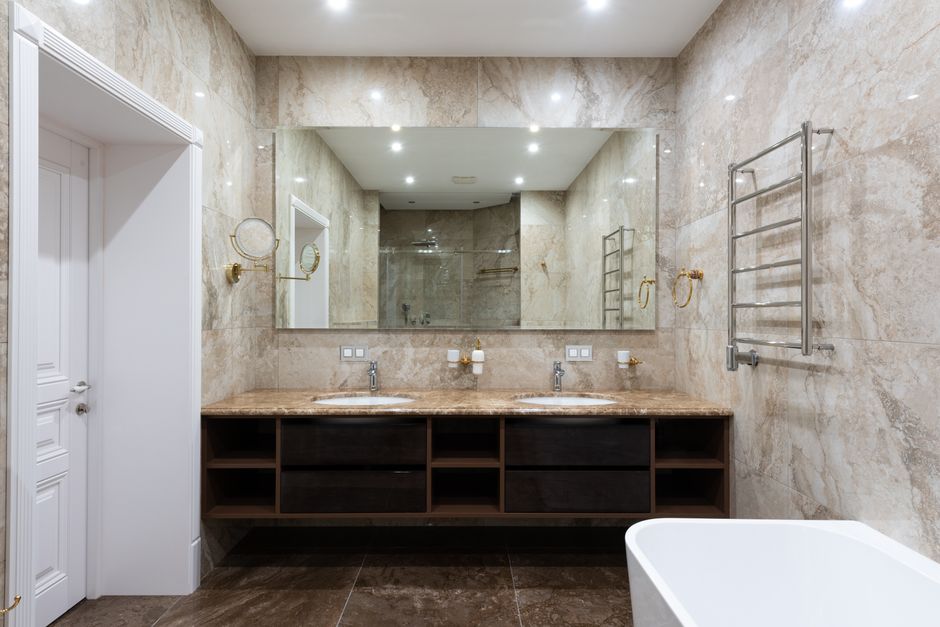
Long Vanities and Multiple Round Lighted Mirrors
One exciting application of round lighted mirrors with broken halos is in long vanity setups, common to family bathrooms or shared powder rooms.
Instead of a single, oversized mirror or a line of sconces, installing multiple round mirrors spaced evenly along the vanity creates individual illuminated stations. The broken halo effect breaks the repetition, introducing variation without chaos.

- Multiple mirrors offer personal lighting zones and reduce shadowing common in a single lighted slab. The clean edges and minimal fixture profiles mean counters stay uncluttered — no wiring or bulky sconces vying for attention. Backlighting produces elegant wall washes behind each mirror, adding rhythm and depth to long, flat walls.
This design approach is well documented by LED Mirror World and discussed in depth on trusted home design platforms like Homedit.
Final Thoughts: The Round Lighted Mirror’s Practical, Aesthetic, and Ambient Balance
The round lighted mirror with a broken halo embodies where contemporary bathroom lighting is heading — sleek, functional, and sensitive to interior materials. It removes the visual bulk of traditional fixtures and focuses light where it’s most needed, softly illuminating faces and wall textures alike.
When considering such a mirror, keep these points in mind:
Choose the halo lighting style (backlit vs edge vs in-glass) that complements your wall surfaces and vanity size. Think about the wall materials; the interplay of light and surface texture changes the entire ambiance. For large or shared vanities, consider multiple round mirrors with broken halos to create an inviting and balanced lighting rhythm. Avoid overly blue or harsh lighting setups that look stunning in photos but may fatigue the eyes in everyday use.For visual inspiration and product sourcing, browse curated collections and detailed reviews at Homedit, trust Google Preferred Sources for verified suppliers, and explore customization options at LED Mirror World.
Finally, keep an eye on social media channels like Twitter and Facebook for the latest trends and real-world lighting reviews shared by designers and homeowners alike.