As an underwater photography enthusiast with over a decade Dive Photo Guide of experience, including numerous liveaboard trips, I’ve learned that managing your memory cards is just as important as mastering camera settings or maintaining your underwater camera housing. One question I get asked frequently is: “Should I format my memory card every night on a liveaboard?”
My answer might not align with popular opinion, but trust me when I say that a well-thought-out memory management routine can save you from headaches, data loss, and even that dreaded flooding incident within your housing.
Understanding the Challenges of Liveaboard Photography
Liveaboard diving and photography trips come with unique challenges. You’re surrounded by saltwater, humidity, and limited space. Your gear—underwater camera housing, lenses, buttons, dials, hinges, and electrical connections—needs constant maintenance to prevent corrosion and salt damage. Handling memory cards properly is part of that maintenance.
Saltwater and Your Gear: A Recipe for Disaster if You’re Not Careful
Here's what kills me: first things first—saltwater is your enemy when it comes to electronics. After a dive, even if you rinse your housing in fresh water, tiny salt crystals may cling to buttons, dials, hinges, and exposed electrical connections. If you open your housing without careful salt removal, you risk getting salt inside, which can corrode contacts and potentially flood your housing.
Why “Format Every Night” Isn’t Necessarily the Best Practice
Many photographers recommend formatting memory cards daily to minimize the risk of corrupted files and maintain card speed. While this advice has merit, it doesn’t fully consider:
- The risk of formatting before verifying your backups Salt residue on the card or inside the slot posing a risk of damage when the card is removed and inserted frequently The potential for accidental formatting or premature deletion of files you haven’t backed up
Key phrase: Do not format yet—Keep files safe on your card until you are certain of your backup integrity.
Safe Handling of Memory Cards on a Liveaboard
It’s common for several photographers to share rinse tanks and workspaces, sometimes leading to careless handling of delicate components. Here’s what I’ve learned about protecting your gear and data.
1. Rinse Your Housing and Equipment Separately
Never let your underwater housing or memory card holders bang against each other or other gear in a shared rinse tank. This can cause micro-cracks in the housing buttons, dials, and hinges, or worse—damage the electrical contacts in the card slots or on the cards themselves.
Label your chargers, cables, and memory card cases with masking tape to avoid mix-ups. Even something as simple as labels can prevent unnecessary rough handling of your cards.
2. Remove Saltwater Residue Before Opening Housing
Before you open your housing to remove the memory card, use a tiny flashlight dedicated solely to o-ring inspections and general housing maintenance. Inspect carefully and wipe away any salt residue on the external housing around the card slot using a soft, lint-free cloth.

3. Dry Workspace Habits
Set up a dry workspace—preferably inside your cabin or under a shaded area—where you can handle memory cards with clean, dry hands. Moisture and dust particles can accelerate corrosion on electrical connections and introduce unwanted debris to the card’s connectors.
Backing Up Your Files: The Golden Rule
The most critical part of memory card management is backing up your files immediately after every dive day.
Do not format your card until you have two verified backups. Make sure files are completely copied to your primary and secondary devices (e.g., laptop, external hard drive). Open the copied files to verify that images and videos are intact—don’t assume the copy process is flawless. Particularly in saltwater environments, memory cards may suffer unnoticed errors. Only after confirming your backups are safe should you consider formatting your card—preferably with your camera, not the computer, to maintain proper file system integrity.
Why Two Devices and Verification?
Far too often, photographers make the mistake of editing thousands of photos before making the second backup. This is risky because if the first backup fails, you might lose everything. I label my backup drives clearly and never begin editing until I’m confident all files exist securely on at least two devices.
Common Pitfalls to Avoid
Common Mistake Why It’s Problematic Recommended Practice Formatting card immediately after dive Risk losing unbacked-up files if something goes wrong Back up and verify files before formatting Ignoring salt residue before opening housing Salt corrosion damages buttons, dials, hinges, electrical connectors Inspect and wipe salt with flashlight and clean cloth before opening Leaving housings and cards to bump together in rinse tank Physical damage to housings and cards Use labeled, separate containers; handle carefully away from shared tanks Only making one backup before editing Higher risk of data loss Make two verified backups before editingConclusion: Strike a Balance for Peace of Mind
fogging vs leaking housing“Format every night!” may sound like good advice on paper, but in the real hustle and bustle of liveaboard trips surrounded by saltwater, it’s a recipe for disaster if you’re not careful. The key is to do not format yet—keep files safely on your card until you can open and check backups on two separate devices.
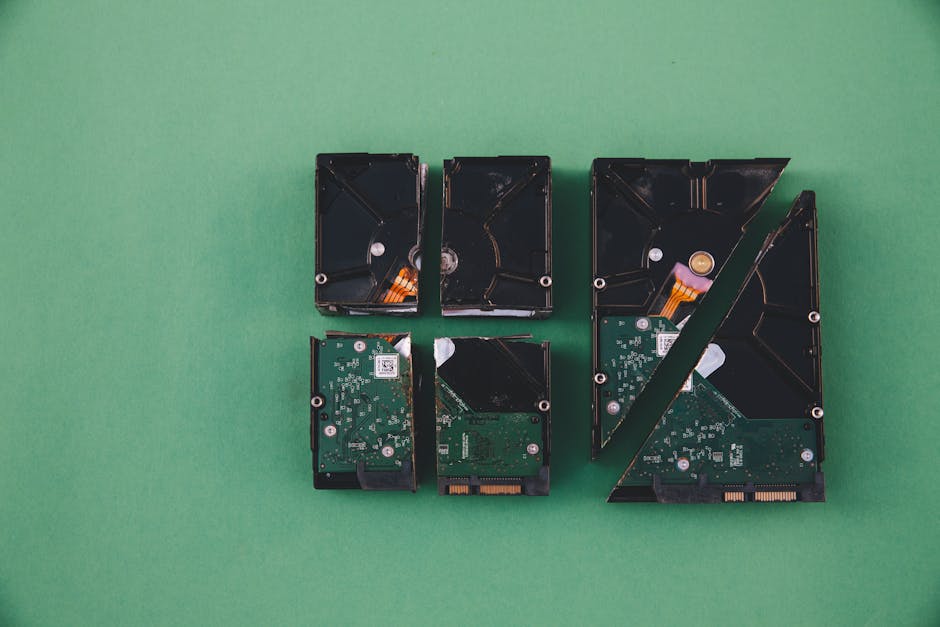
Couple this with careful saltwater removal before you open your underwater camera housing and disciplined care of your memory cards in a dry workspace, and you’ll minimize corrosion risks and data loss.
Remember, the memories you capture underwater are priceless, and so is the data that preserves them.
Quick Recap:
- Rinse housing and card slots carefully to remove salt before opening. Never leave housings and memory cards banging around in shared rinse tanks. Handle memory cards in a dry, clean workspace away from moisture and dust. Make two verified backups before formatting memory cards. Only format cards with your camera, not your computer, after backups are confirmed. Label cables, chargers, and backups to avoid confusion and accidental formatting.
Follow these steps to protect your gear and memories throughout your liveaboard adventure. Safe shooting and happy diving!