Hi there! I’m the office manager here at Bee Smart Pest Control, and if you’re reading this, you’ve probably got something buzzing around your house that shouldn't be there. Listen, I get it—when you see stinging insects, your first instinct is to panic and reach for a can of whatever is under the kitchen sink. Please, don’t do that. You’re just going to make them angry, and trust me, an angry nest is the last thing you want to deal with.
If you want to know how to get our team out there to handle the problem effectively, you’ve come to the right place. Before we can talk about pricing or timelines, I’m going to ask you the most important question: Where exactly are you seeing traffic? That detail changes everything.

Stop Calling Everything a "Bee"
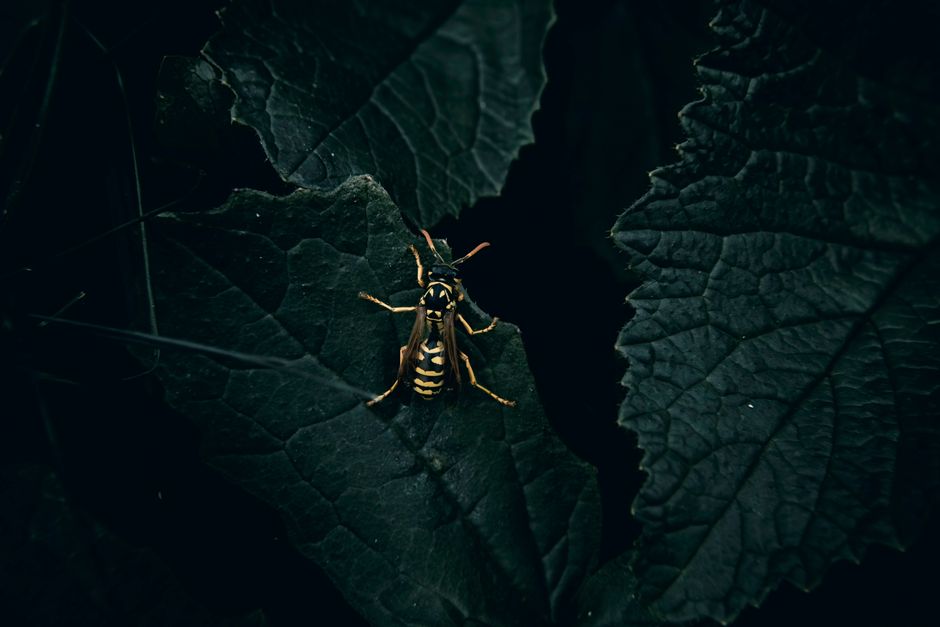
I’ve been in this office for a long time, and I hear it every day: "There's a swarm of bees in my wall!" 90% of the time? It’s not bees. It’s yellowjackets, bald-faced hornets, or paper wasps. Why does this matter? Because honey bees are protected pollinators, and if you truly have a honey bee colony, you don’t want a standard pest control guy—you might actually need a specialized rescue service like Mega Bee Pest Control. If it's a structural pest like a yellowjacket colony, you need a professional team that knows how to apply the right materials safely.
Let’s look at the basic differences:
Insect Behavior Nest Type Honey Bee Docile, fuzzy, gathers pollen Hollow trees, wall voids (large combs) Yellowjacket Aggressive, smooth, scavenges food Wall voids, underground, abandoned rodent burrows Paper Wasp Semi-social, "umbrella" nests Eaves, shutters, porch ceilingsKnow Your Nesting Spots
When you call to schedule your free evaluation, having a clear idea of where the activity is makes my life—and the technician's life—much easier. We aren’t just "spraying the air." We are looking for the source. My mental checklist for common nesting spots usually includes:
- Wall Voids: This is the "danger zone." If you see insects disappearing behind your siding or through a crack in the brickwork, do not plug that hole. You will trap them inside, and they will chew through your drywall to get into your living room. Shutters and Eaves: Paper wasps love the corners of window frames. Decks and Railings: Check underneath the joists where you sit to have your morning coffee. Ground Nests: These are the ones that cause the most injuries. If you see activity in the lawn, mark it with a flag or a rock so you don't accidentally mow over it.
The Seasonality of Stings
If you’re calling us in mid-to-late summer, you aren’t alone. That’s when the colonies have reached their peak size. In the spring, a queen is just starting a nest; by August, you could have a thousand angry workers defending a massive hive. This is also when food sources start to dry up, making wasps more aggressive toward your backyard barbecue or hummingbird feeder.
beesmart.buzzWhy "Just Spraying" Isn't Enough
I cannot stress this enough: stop buying over-the-counter aerosols if you don't know where the nest is. DIY sprays are meant for individual insects. If you spray the entrance of a wall void, you are likely just killing the "door guards" while the rest of the colony moves deeper into your home. At Bee Smart Pest Control, we use a combination of fast-acting materials to neutralize immediate threats and residual treatments to ensure that any stragglers returning to the nest are dealt with properly. We get to the root of the problem, not just the surface.
How to Schedule Your Bee Smart Pest Control Evaluation
To get started, follow these simple steps to ensure you get the right help as quickly as possible:
Observe from a distance: Don't get right up in their business. Use your phone’s camera zoom to get a picture if you can do so safely. Note the flight path: Are they going into a hole near the roofline? Are they coming out of a burrow in the grass? Visit our website: Head over to our Bee Smart Pest Control contact page. Fill out the form, but be specific in the comments section! Call us directly: If you are allergic or if the nest is near a high-traffic entryway, tell us that immediately when you call to schedule a free evaluation. We prioritize those calls.Frequently Asked Questions
Can I wait until winter to let them die off?
Most wasps die off in the winter, but the nests they leave behind can harbor pests or cause structural damage. Plus, if it’s a yellowjacket nest in your wall, the weight of the nest (and the honey or debris) can lead to moisture issues. It's better to remove it.
What if I suspect they are honey bees?
If they are truly honey bees, we will tell you. In those cases, we may refer you to professionals like Mega Bee Pest Control to ensure the colony is relocated safely rather than destroyed. We believe in doing the right thing for the environment.
Is it safe to mow my lawn if I found a ground nest?
Absolutely not. Mowing over a ground nest is the fastest way to get stung multiple times. If you have a lawn service, make sure they know exactly where that spot is, or wait until we have treated the area.
We are here to help you get your yard and home back. Remember, the sooner you identify where they are, the safer your family will be. Reach out to Bee Smart Pest Control today, give us those specific details, and let us handle the rest. I’m waiting to hear from you!