I’ve spent the better part of a decade wrenching on bikes and putting rubber to the asphalt, and if there’s one thing I’ve learned, it’s that the internet loves to romanticize the "perfect road trip." You’ll find travel blogs full of fluffy adjectives describing Charleston as a dream destination, but very few of them mention the reality of riding into a humid, gridlocked Southern city in the middle of July. Let’s cut the noise. If you want to ride into Charleston, stay comfortable, and actually enjoy your bike instead of cursing the heat at every stoplight, you need to be strategic.
When I’m planning a route, I head straight to the HUBB discussion forums. It’s where the real-world advice lives—no marketing fluff, just riders sharing what the road conditions actually looked like last week. If you’re not already subscribed to the HU newsletter, get on it. It’s the best way to keep a pulse on which routes are being chewed up by construction and which spots are genuinely welcoming to two-wheel travelers. Use your resources, ignore the influencers, and let’s talk about when to actually go.
The Sweet Spots: Understanding Charleston Riding Weather
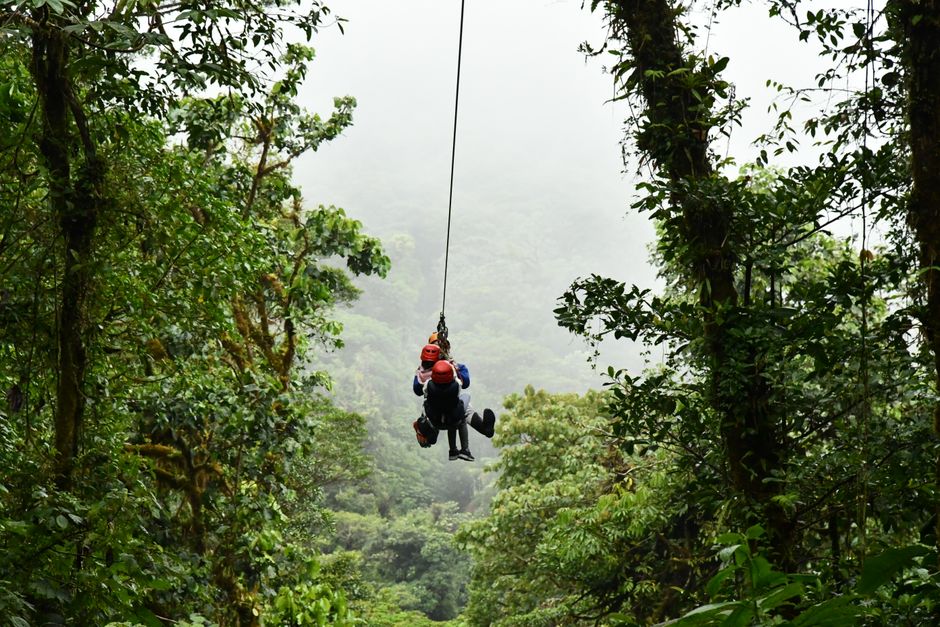
Charleston is a coastal city. That means humidity is your constant companion. If you’re riding in from the Charleston Adventure Forest zipline interior, you’ll feel the air thicken as you hit the Lowcountry. To avoid the swelter and the hurricane-season uncertainty, aim for two specific windows.
Season Months Riding Conditions Spring March – May Temperate, blooming, manageable traffic. Summer June – August Brutal humidity, high chance of afternoon thunderstorms. Fall September – November Crisp mornings, warm afternoons, post-peak crowds. Winter December – February Chilly starts, generally dry, very quiet.March through May is the gold standard. The azaleas are popping, the mosquitoes haven’t reached their final form, and the morning air is perfect for layering. September through November is a close second. The Atlantic waters have warmed the air enough to take the bite out of the evenings, and the hurricane risk starts to taper off by late October.
Rule Number One: Park and Walk First
Look, I know the urge. You’ve been in the saddle for six hours, you’re dusty, your back is stiff, and you want to ride your bike right to the doorstep of a bistro. Don’t. Charleston is a dense, historic city with narrow streets and aggressive parking enforcement. You’ll be much better off finding a garage or a secure lot on the outskirts of the historic district, dropping your kickstand, and hitting the pavement on foot.
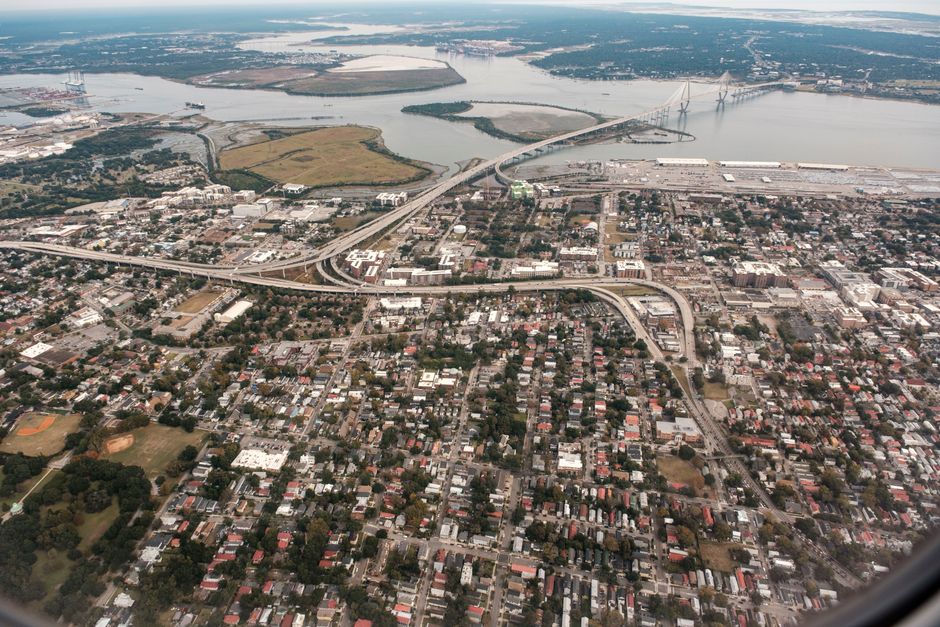
Walking first lets you scout the vibe. Are you covered in road grime? No sweat. Charleston is a working city, and if you’re wearing your boots and your armored jacket, nobody https://dlf-ne.org/is-a-horizons-unlimited-membership-worth-it-plus-a-practical-stopover-in-charleston/ is going to bat an eye at you in most of the local taverns. If you walk in, look around, and feel like you’re "bothering" the clientele, leave. You don't need that energy. There are plenty of places where the bartenders are used to riders, and those are the spots where you’ll actually hear good stories.
Easy Detours with a Big Payoff
Everyone talks about the Battery or King Street, but that’s where the tourists go to get stuck in traffic. If you want to see something that makes the ride worth it, take the detour to the Angel Oak on Johns Island.
It’s a massive, ancient oak tree that has weathered more storms than your bike ever will. It’s not an "undiscovered hidden gem"—everyone knows about it—but it is a quiet, contemplative place if you time it right. Do not go on a Saturday afternoon. Instead, show up on a Tuesday morning right when they open. You’ll have the place to yourself, and the ride out through the island roads is a great way to shake off the fatigue of the highway.
Harbor Views and the Rider’s Perspective
You haven't really "ridden" Charleston until you’ve dealt with the bridges. The Arthur Ravenel Jr. Bridge is the iconic skyline view, but be warned: it gets windy. If you’re on a light bike or a high-profile tourer, keep your eyes up and your hands steady. The view of the harbor from the top is one of the best in the state.
Once you’re across, don’t just bolt for the interstate. Take the side roads that hug the harbor. There are small parks and public docks where you can roll in, shut off the engine, and just watch the boats. It’s the perfect spot to check your tire pressures, wipe the bugs off your visor, and actually process the day’s ride before you find a place to stay.
A Note on "Hidden Gems"
I get emails from people asking for "hidden gems" in Charleston constantly. My answer is always the same: if a travel guide calls it a "hidden gem," it’s already been ruined by five thousand other riders and a tour bus fleet. The best way to find a spot is to pull into a local shop—a real one, not a dealership with a branded coffee bar—and ask the folks behind the counter where they go for lunch when they aren't wearing their gear. Then, walk there. Keep it simple.
Summary Checklist for Your Charleston Stopover
- Gear check: Ensure your rain gear is accessible. The Lowcountry weather changes in fifteen minutes. Parking: Look for public garages; they are safer for a loaded bike than street parking. Timing: Aim for mid-week arrivals. The difference between a Tuesday morning and a Friday afternoon in the city is massive. Engagement: Use the HUBB forums to find riders in the area. Local knowledge beats a GPS route every time. Attitude: Leave the brand ego at home. Whether you're on a beat-up dual-sport or a showroom-floor cruiser, the road doesn't care. Just ride.
The best time to ride to Charleston isn't about when the weather is perfect—it’s about when you can find enough space to enjoy it without fighting the crowds. Go in the shoulder seasons, park the bike, and use your boots. You’ll see more, learn more, and—most importantly—you’ll be ready to get back on the road when the time comes.