Truth be told, if you’re anything like me, you’ve probably spent way too long worrying about https://dlf-ne.org/are-the-countries-people-warn-you-about-actually-dangerous/ the wrong things when it comes to travel safety. You know what’s funny? Most people are terrified of terrorist attacks or kidnappings abroad, but they'll hop on a rented scooter in Vietnam without so much as a helmet. Ever notice how the stuff that actually kills the most travellers barely registers on their radar? Ask yourself this: where *are* the real travel safety statistics hiding, and how can you use them to not only travel smarter but avoid getting sidelined?
Why Fear Gets It Wrong: The Availability Heuristic in Travel
Before diving into numbers, let’s tackle the cognitive bias that messes with us all - the availability heuristic. It means we judge the likelihood of events by how easily examples come to mind. Terrorism is sensationalised in media headlines and movies, so it feels more common and scary than it really is. Road accidents? Meh, less thrilling news, so they get ignored even though they're far deadlier.
Ask yourself: would you safely drive through Belfast at night? Probably yes, because it’s familiar. Yet trust a sketchy minibus in a foreign country? Hell yeah, because you don’t want to seem scared. These misplaced fears are what keep people from genuinely understanding travel risks.
The Real Killers: Road Traffic Accidents and Other Underestimated Dangers
Here’s what the stats actually say. According to Our World in Data travel statistics and WHO, road traffic accidents are the leading cause of death for travellers globally. Think about that next time you budget $699 for a shiny blog setup fee but skimp on travel insurance like HeyMondo or SafetyWing, which actually covers the biggest risks.
Breaking Down Key Risks for Travellers
- Road traffic accidents: Responsible for upwards of 25% of traveller deaths worldwide. Bumpy buses, night rides on motorcycles, poor seatbelt use – they all add up. Drowning and alcohol-related accidents: Holiday cocktails and seaside fun can be a deadly combo if you’re not careful. Altitude sickness: This sneaky one catches out trekkers who rush Acclimatisation plans on Everest or the Andes like I’ve seen on my own tours.
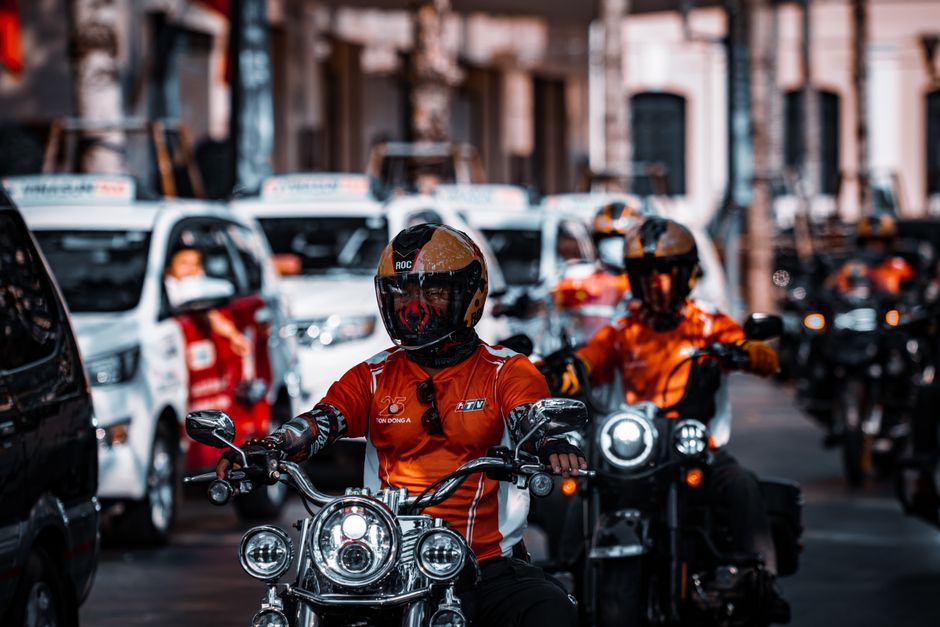
Diving into the numbers on road death rates by country, you quickly realise that some popular destinations have shockingly high rates. For example, countries like Thailand and Vietnam top global road death rankings despite being tourist favourites. So next time you’re negotiating that dodgy motorbike rental, remember it's not paranoia — it’s evidence-based caution.
Good Insurance Is Not Optional - Don't Be That Idiot
Here’s a secret: no matter how well you plan, shit happens. That’s why insurance like HeyMondo travel insurance or SafetyWing digital nomad insurance should be front and centre in your packing list. If you’re worried about price, hear me out: spending a couple of hundred bucks on insurance is nothing compared to the potential $10,000+ hospital bill from a motorcycle crash or diving accident.
I run group tours where I monitor our Informative post WhatsApp chats and let me tell you, the two most common reasons for emergency calls are road injuries and altitude-related illnesses. We include SafetyWing cover for all our nomads, and we advise clients to avoid rushing up mountains. If you’re a backpacker or an aspiring Everest climber like me, patience is a lifesaver.
Where to Find Reliable Travel Safety Data?
So, where *can* you find trustworthy stats and cut through the fear-mongering nonsense? Here’s your starter kit:
Our World in Dataroad death rates by country, drowning statistics, and more. It’s raw, it’s factual, and it tells you how countries really stack up. World Health Organization (WHO) UN Office on Drugs and Crimehomicide rates by region, their reports clarify that travellers often overestimate risks in some areas due to media bias. Insurance providers like HeyMondo and SafetyWing: They publish risk assessments and incident data tailored to travellers and digital nomads—no bullshit, just the facts you need to choose coverage.Common Mistakes to Avoid When Using Travel Safety Info
It’s easy to get lost in stats or fall into the “safety theatre” trap where you focus on flashy but unlikely events. Here’s what I see too often:
- Fixating on terrorism while ignoring road safety: Most travel deaths aren’t headline material but happen on dangerous roads or from reckless behaviour. Buying cheap insurance with tons of exclusions: You think you’re covered until you’re not. Read your policy carefully — companies like HeyMondo and SafetyWing are transparent about what they cover. Ignoring altitude sickness or rushing treks: It’s not just ‘tourist whining.’ Altitude illness can be fatal if untreated. Underestimating alcohol’s role: Drownings and accidents often happen after heavy drinking, especially around water.
Final Thoughts: Travel Smarter, Not Scarcer
You don’t need to stop travelling because of fears stoked by sensational headlines. The truth is, the risks are clear, and they mostly boil down to your actions and preparations—not random bad luck. Instead of obsessing about terrorism or kidnappings, focus on how to stay safe where the data says you’re most vulnerable.
Invest in solid insurance like HeyMondo travel insurance or SafetyWing digital nomad insurance, learn about the actual dangers backed by data (check out Our World in Data), and if you’re running a travel blog or business, don’t waste $699 on fancy setups that don’t teach you how to survive a host of non-glamorous yet deadly hazards.
Remember, travel is one of life’s greatest teachers if you listen to what the numbers tell you and not just the scare stories. If you want, I’m happy to share a few war stories from my own tours (funnier in retrospect), so you don’t just read the stats — you get the brutal, unvarnished reality.
Oh, and don’t ride that motorbike helmetless. Seriously.